
What Is a Heat Pump and Why Choose One?
Before learning how to install a heat pump, it’s important to understand how it works. A heat pump moves heat instead of generating it. In winter, it draws heat from the outside air or ground and transfers it indoors. In summer, it reverses the process, pulling warm air out to keep your home cool.
Benefits of a Heat Pump:
- Energy savings: Heat pumps can lower heating electricity use by up to 50%.
- All-season comfort: Provides both heating and cooling.
- Cleaner operation: Reduces emissions compared to traditional systems.
- Quiet and efficient: Operates with less noise and steady airflow.
From air-source to mini-split systems, understanding your choices ensures your investment delivers long-term comfort.
Step 1: Assessing Your Home’s Heating and Cooling Needs
Every successful heat pump installation process begins with a home evaluation. A professional assesses your space to recommend the right system type and size.
Key considerations include:
- Home size and insulation: Larger homes may require zoning systems.
- Climate: Some models handle colder weather better than others.
- Existing ductwork: If your home lacks ducts, a mini split heat pump may be ideal.
- Efficiency goals: Whether you want lower bills, reduced energy use, or both.
This assessment helps you select the most effective unit before installation begins.
Step 2: Selecting the Right System
There are several heat pump options to consider. Each has different benefits and installation requirements.
Air-Source Heat Pumps
These are the most common systems and are ideal for moderate climates.
Ground-Source Heat Pumps
Also known as geothermal units, these use underground temperatures to heat and cool your home.
Mini Split Heat Pumps
If you’re researching how to install a mini split heat pump, know that this type doesn’t require ducts. Indoor air handlers connect to an outdoor compressor with small refrigerant lines. They’re perfect for room-by-room comfort and older homes.
Heat Pump Water Heaters
If you’re curious about how to install a heat pump water heater, this system works similarly to standard water heaters but uses air to heat water, saving energy while maintaining performance.
Your HVAC team will guide you toward the right choice based on your space, comfort goals, and energy efficiency targets.
Step 3: Preparing the Site
Before installation, the workspace must be properly prepared. This step ensures safety and smooth operation.
Tasks often include:
- Clearing the area where the outdoor unit will sit.
- Ensuring the electrical supply meets system requirements.
- Setting a concrete or composite base for the unit.
- Preparing walls or ceilings for refrigerant line entry points.
Technicians also check that airflow is unobstructed and that the installation meets local regulations.
Step 4: The Heat Pump Installation Process
Now that you’ve chosen the right unit, it’s time to understand what happens during the heat pump installation process.
Indoor Setup
For ducted systems, technicians connect the new air handler to existing ducts. For ductless systems, indoor units are mounted and linked to the outdoor compressor.
Outdoor Setup
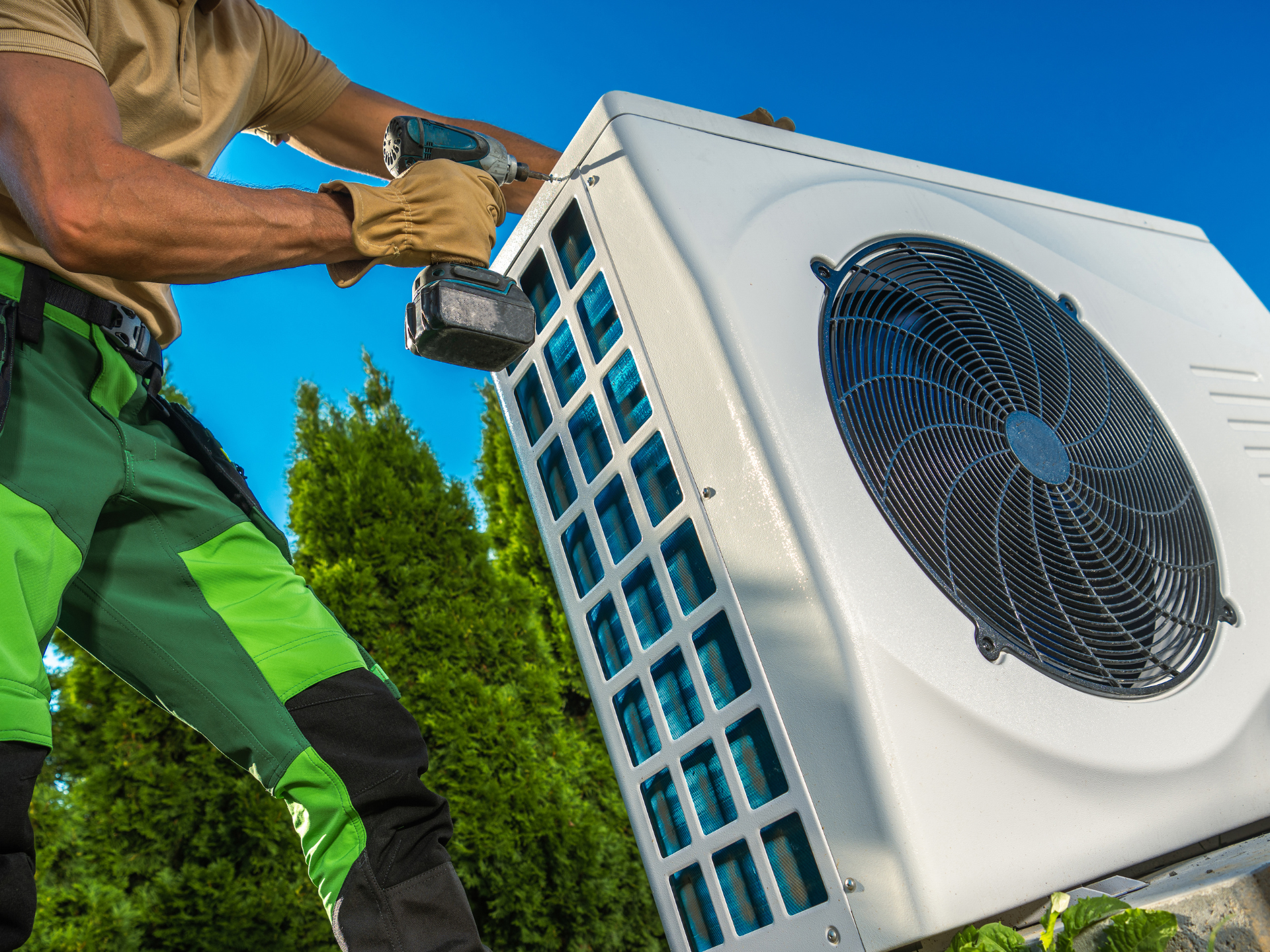
The outdoor unit is placed on its base, connected to indoor components through refrigerant and electrical lines, and sealed to prevent leaks.
Electrical and Refrigerant Work
The system is wired, charged with refrigerant, and tested for safety and efficiency.
System Testing and Calibration
After all connections are made, technicians run performance tests, balance airflow, and fine-tune the thermostat.
This process ensures your system runs efficiently from day one.
Step 5: How Long to Install Heat Pump Systems
A common question from homeowners is how long to install heat pump systems. Installation times vary based on complexity.
Typical timelines include:
- Air-source heat pump: 4–8 hours.
- Mini-split systems: 1–2 days, depending on the number of indoor units.
- Geothermal systems: Up to one week, due to excavation work.
Your installer will confirm the exact schedule after assessing your home layout and electrical setup.
Step 6: Post-Installation Maintenance
Once installed, regular care keeps your heat pump efficient and reliable.
Maintenance includes:
- Checking refrigerant and electrical components.
- Cleaning filters, coils, and ducts.
- Inspecting the thermostat for accuracy.
- Scheduling yearly professional tune-ups.
Regular service improves performance, extends lifespan, and prevents costly repairs.
Step 7: Understanding Costs and Long-Term Value
While installation costs depend on the system type and home design, the return on investment is clear. Heat pumps save energy, reduce monthly bills, and require less maintenance over time.
Cost factors include:
- Equipment size and efficiency rating.
- Ductwork modifications.
- Electrical upgrades.
- Labor and local incentives.
With proper maintenance, a heat pump can last 15–20 years, delivering consistent savings and comfort.
Step 8: The Value of Professional Installation
Though it may seem straightforward to learn how to install heat pump systems online, this project demands professional attention. Incorrect installation can reduce efficiency, shorten lifespan, and void warranties.
Certified HVAC professionals handle wiring, refrigerant charging, and airflow calibration to ensure your new system operates safely and effectively.
Conclusion: A Better Way to Heat and Cool
Choosing a heat pump is a smart step toward year-round comfort and energy efficiency. By understanding the heat pump installation guide above, you know what to expect during planning, setup, and long-term maintenance.
Why Choose Newton & Son’s Heating and Air
At Newton & Son’s Heating and Air, we bring over 19 years of experience and strong values to every project. As a veteran-run business, we are committed to doing what’s right for our community in Henderson, NC. From heat pump installation to maintenance and repairs, we focus on honest work, dependable service, and long-lasting comfort. Call 252-598-2144 today to schedule your installation or inspection.